Psychosocial Safety
Psychosocial hazards: South Australia
What SA employers must do under the Work Health and Safety Act 2012, how SafeWork SA enforces psychosocial risk, and the practical steps to comply.
By the Whyser Team · 5 August 2026 · 7 min read

Key takeaways
- South Australia runs the national model Work Health and Safety Act 2012 (SA), so its psychosocial framework lines up closely with most of the country.
- SA folded specific psychosocial provisions into its WHS regulations via an amendment in force since late 2023, giving employers an explicit, named duty.
- The duty is positive: eliminate psychosocial risk so far as reasonably practicable, and minimise what you can't eliminate.
- SafeWork SA is the state regulator. It expects you to identify hazards, control them, consult your workers, and review, not just respond after a complaint.
- Because SA closely follows the model law, guidance written for other model-law states largely applies, but check the SA references and use SafeWork SA's own material.
A South Australian business owner said to us last year, half joking, "we're a small state, surely the psychosocial rules are lighter here." They're not. SA runs the same national model law as most of the country, and the psychosocial duty applies whether you're a big employer in the Adelaide CBD or a family business in the Barossa.
So let's answer the question SA employers keep asking. What does the law actually require, and what does SafeWork SA expect to see?
What SA runs, and how psychosocial fits in
South Australia was an early adopter of the national framework. It enacted the Work Health and Safety Act 2012 (SA), which mirrors the model law Safe Work Australia drafts. That means SA uses the same building blocks as most of the country: the PCBU (person conducting a business or undertaking), the primary duty of care, and the obligation to manage risk so far as reasonably practicable.
For a long time psychosocial risk sat inside the general duty without being spelled out. That changed when SA folded specific psychosocial provisions into its WHS regulations, an amendment that's been in force since late 2023. The effect is to make explicit what was already implied: managing psychosocial hazards is part of your legal duty, not an optional wellbeing extra.
SafeWork SA is the state's work health and safety regulator. Alongside the regulations, the model Code of Practice on managing psychosocial hazards at work is the practical reference. A code isn't the law itself, but it's admissible as evidence of what's reasonably practicable, which makes it worth reading properly.
The duty, in plain terms
Every PCBU in SA carries a positive duty. In plain language:
- Eliminate psychosocial risks so far as reasonably practicable.
- Where you can't eliminate a risk, minimise it so far as reasonably practicable.
That's a genuinely different posture from "deal with it when someone complains." It expects you to identify hazards before they cause harm and put controls in place, not to wait for damage and then react.
The hazards SafeWork SA is looking for
The recognised psychosocial hazards are broadly consistent across the country, and we cover the full set in our guide to psychosocial hazards. The ones we see causing the most trouble in SA workplaces are:
- Excessive job demands or unrealistic deadlines
- Low job control, where people have little say in how their work gets done
- Poor support from managers or peers
- Poor workplace relationships, including conflict and bullying
- Poorly managed organisational change
- Remote or isolated work, which matters in a state with a lot of regional and agricultural employment
None of these are exotic. They're the ordinary texture of a workplace under pressure, which is exactly why they slip past until someone looks for them directly.
What SafeWork SA expects you to do
Because SA follows the model law closely, the expected approach is the same risk-management loop that runs through the national framework. In practice, SafeWork SA expects a PCBU to:
- Identify the psychosocial hazards in your workplace.
- Assess the risk they pose, honestly and at the level where the hazard actually sits.
- Control the risk with real changes, not just a policy on a shelf.
- Consult your workers genuinely, because WHS law requires it.
- Review your controls, especially after any significant change.
That review step is the one organisations most often miss. Installing a control and never checking whether it worked isn't really managing the risk, and it leaves you with nothing to show if you're ever asked.
What an SA employer should actually do now
Here's where we'd start, in order.
- Run a proper risk assessment. Not a survey nobody reads, an honest look at where your workload, control, support, and relationship risks actually sit. See our guide to psychosocial risk assessment.
- Check your policies name the current SA regulations, including the psychosocial provisions, rather than referencing an out-of-date framework.
- Consult your workers. Genuine consultation is a legal requirement, not a nice-to-have.
- Put controls in place and record them. A document showing what you assessed and changed beats "we're working on it" every time.
- Review after any major change. A restructure, a new system, or a leadership change all reset the picture.
How SA compares to the rest of the country
Every Australian jurisdiction now has an in-force psychosocial duty, but timing and mechanics differ. SA and Western Australia both run the model WHS law, while Victoria runs a separate system altogether. If you operate across state lines, those differences matter. See our guides to psychosocial hazards in Western Australia, psychosocial hazards in New South Wales, psychosocial hazards in Queensland, and psychosocial hazards in Victoria. Start with our complete guide to psychosocial safety for the whole picture.
Culture is where a lot of these risks get created and resolved, which is the work behind Whyser Work's culture practice.
A short example
In our consulting work, we partnered with an Adelaide organisation that assumed it was covered because it had an employee assistance program and a wellbeing policy. When we sat down and actually mapped their risks, the gap was obvious. They'd never assessed workload or manager support in the teams where the pressure clearly sat, and they had nothing recorded to show they'd looked.
We didn't add a new program. We ran a real risk assessment, focused on the two teams under the most strain, made a couple of practical changes to workload and reporting lines, and wrote down what we'd done and why. Nothing dramatic. But for the first time they could show they'd identified a hazard, acted, and planned to review it. That's what the duty actually asks for.
Frequently asked questions
When did SA's psychosocial provisions come into force?
South Australia runs the Work Health and Safety Act 2012, and psychosocial risk was always covered by the general duty. SA then folded specific psychosocial provisions into its WHS regulations via an amendment that's been in force since late 2023, making the obligation explicit rather than implied.
Does SA's approach differ much from other states?
Not greatly. SA runs the national model law, so its framework lines up closely with Western Australia, New South Wales, Queensland, and the other model-law jurisdictions. Victoria is the outlier, running its own separate system. The main thing to check is that you're working from SafeWork SA's material and the current SA regulations.
Are small SA businesses exempt from the psychosocial duty?
No. The duty applies to every PCBU regardless of size. A small family business carries the same obligation as a large employer, though how you meet it will look different at different scales. What's reasonably practicable takes your size and resources into account, but the duty itself doesn't disappear.
Is this legal advice?
No. This is general guidance to help you understand your obligations and manage risk well. It supports your duty of care, it doesn't replace your own legal and work health and safety advice for your specific circumstances. Talk to a WHS professional about your situation.
So here's the question worth sitting with. If SafeWork SA asked you this week how you manage psychosocial risk, could you show them what you've actually assessed and changed, or would you be reaching for a wellbeing policy nobody's looked at in a year?
Who writes this
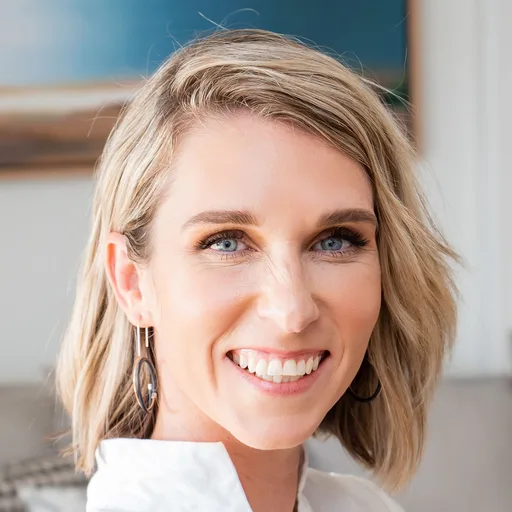
Melanie Sisson
Founder of Whyser. Our psychosocial guides are written and maintained by the Whyser practice she leads.
Melanie is a specialist in leadership capability and culture consulting for senior teams across the Asia Pacific, with more than 20 years designing human-centred culture solutions for workplaces in Papua New Guinea, Australia and New Zealand.
She holds a Bachelor of Business (HR and Marketing) from QUT and a Diploma of Project Management, is an accredited personal and business coach with International Coaching Federation accreditation, and is accredited in Herrmann Whole Brain Thinking (HBDI) and Roche Martin EQ Mastery.
Keep reading
See it in your organisation
Whyser Work turns everyday people data into the culture and compliance picture leaders can act on.